
Prinsip perancangannya
Ketika Komisi Penyatuan Pelafalan bersidang pada 1913, mereka membutuhkan notasi fonetik yang tampak seperti tulisan Tionghoa, bukan seperti impor asing. Solusinya elegan: untuk tiap bunyi, cari aksara yang pelafalannya sudah sesuai bunyi itu, lalu pangkas menjadi beberapa goresan saja.
Ini prinsip yang sama dengan yang melandasi kana Jepang, yang diturunkan dari aksara Tionghoa dengan cara serupa: か dari 加, き dari 幾. Zhuyin dirancang dengan preseden itu secara sengaja sebagai acuan.
Konsekuensi praktisnya, setiap simbol adalah pecahan nyata dari sistem tulisan, bukan penemuan baru. Pembelajar yang sudah bisa membaca sedikit aksara Tionghoa sering merasa simbol-simbol ini lebih mudah begitu mereka bisa melihat aksara yang tersembunyi di dalamnya.
21 awalan
| Simbol | Bunyi | Berasal dari | Artinya |
|---|---|---|---|
| ㄅ | b | 勹 bāo | membungkus, bentuk kuno dari 包 |
| ㄆ | p | 攵 pū | mengetuk atau memukul pelan, varian dari 攴 |
| ㄇ | m | 冂 → 冪 mì | kain penutup sesuatu |
| ㄈ | f | 匚 fāng | kotak dengan satu sisi terbuka |
| ㄉ | d | 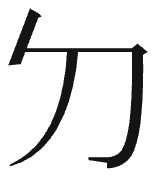 dāo, bentuk kuno dari 刀 dāo, bentuk kuno dari 刀 | sebilah pisau |
| ㄊ | t | 𠫓 tū | muncul tiba-tiba, bentuk terbalik dari 子 |
| ㄋ | n | 𠄎 → 乃 nǎi | maka, lalu |
| ㄌ | l | 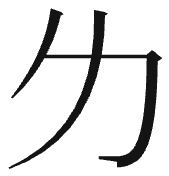 lì, bentuk kuno dari 力 lì, bentuk kuno dari 力 | kekuatan, aslinya sebuah bajak |
| ㄍ | g | 巜 guì | saluran air, bentuk kuno dari 澮 |
| ㄎ | k | 丂 kǎo | napas tertahan, bentuk kuno dari 考 |
| ㄏ | h | 厂 hǎn | tebing yang menjorok |
| ㄐ | j | 丩 jiū | melilit, bentuk kuno dari 糾 |
| ㄑ | q | 𡿨 quǎn | aliran kecil di antara sawah |
| ㄒ | x | 丅 xià | di bawah, bentuk kuno dari 下 |
| ㄓ | zh |  zhī, bentuk kuno dari 之 zhī, bentuk kuno dari 之 | pergi |
| ㄔ | ch | 彳 chì | langkah, separuh kiri dari 行 |
| ㄕ | sh | 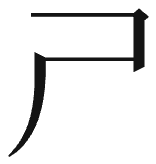 shī, bentuk kuno dari 尸 shī, bentuk kuno dari 尸 | tubuh yang berbaring |
| ㄖ | r | 日 rì | matahari |
| ㄗ | z | 卩 jié | tanda hitung bambu, bentuk kuno dari 節 |
| ㄘ | c | 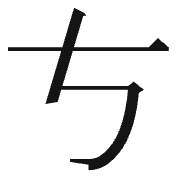 qī, bentuk kuno dari 七 qī, bentuk kuno dari 七 | tujuh, dipinjam karena bacaan lamanya pada 疵 |
| ㄙ | s | 厶 sī | pribadi, bentuk kuno dari 私 |
3 sisipan
ㄧ adalah satu-satunya simbol yang berubah arah. Dalam teks vertikal ia ditulis mendatar, sama seperti 一; dalam teks horizontal ia diputar tegak agar tidak menghilang ke garis dasar.
| Simbol | Bunyi | Berasal dari | Artinya |
|---|---|---|---|
| ㄧ | i | 一 yī | satu |
| ㄨ | u | 㐅 → 五 wǔ | lima, tanda hitung bersilang |
| ㄩ | ü | 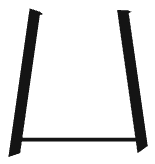 qū, bentuk kuno dari 凵 qū, bentuk kuno dari 凵 | wadah terbuka di bagian atas |
13 akhiran
| Simbol | Bunyi | Berasal dari | Artinya |
|---|---|---|---|
| ㄚ | a | 丫 yā | cabang bercagak |
| ㄛ | o | 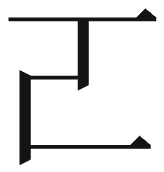 hē hē | mengembuskan napas, bentuk cermin dari 丂 |
| ㄜ | e | ㄛ | pengecualian, lihat di bawah |
| ㄝ | ê | 也 yě | juga |
| ㄞ | ai | 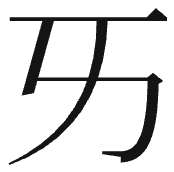 hài, bentuk kuno dari 亥 hài, bentuk kuno dari 亥 | cabang bumi kedua belas |
| ㄟ | ei | 乁 yí | mengalir atau memanjang |
| ㄠ | ao | 幺 yāo | sangat kecil, seutas benang sutra |
| ㄡ | ou | 又 yòu | lagi, aslinya sebuah tangan kanan |
| ㄢ | an | 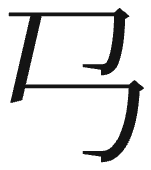 hàn hàn | mekar |
| ㄣ | en | 乚 yǐn | bersembunyi, bentuk kuno dari 隱 |
| ㄤ | ang | 尢 wāng | pincang, seseorang dengan kaki bengkok |
| ㄥ | eng | 𠃋 gōng | lengan atas, bentuk kuno dari 肱 |
| ㄦ | er | 儿 → 兒 ér | seorang anak |
Satu pengecualian: ㄜ
Semua simbol lain berasal dari sebuah aksara. ㄜ tidak. Ia diciptakan pada 1920, tujuh tahun setelah simbol-simbol lainnya, dengan menambahkan satu goresan pada ㄛ.
Sebabnya, set asli 1913 memakai satu simbol yang sama, ㄛ, untuk dua bunyi yang tadinya dianggap satu. Padahal keduanya bukan bunyi yang sama: vokal pada 婆 (pó) memakai bibir bulat, sementara vokal pada 鵝 (é) tidak. Begitu perbedaan ini diakui secara resmi, dibutuhkan simbol baru, dan alih-alih mencari aksara lain, komisinya cukup memodifikasi simbol yang sudah ada.
Inilah sebabnya ㄜ tampak seperti ㄛ dengan tanda tambahan. Ini satu-satunya tempat dalam sistem ini di mana bentuknya mengodekan hubungan antarbunyi, bukan aksara pinjaman.
Apakah mengetahui ini membantu Anda belajar?
Sejujurnya, tergantung. Kalau Anda sudah bisa membaca aksara Tionghoa, melihat 日 di dalam ㄖ atau 力 di dalam ㄌ memberi Anda pegangan yang tidak didapat dari sekadar menghafal bentuk, dan beberapa aksara asalnya berbagi bunyi yang sama dengan simbolnya, yang sekaligus berfungsi sebagai jembatan ingatan.
Kalau Anda belum bisa membaca aksara, asal-usulnya menarik tapi bukan hal pokok. Anda akan lebih cepat menguasai 37 bentuk ini dengan mendengarnya berulang-ulang di tabel interaktif, atau lewat aplikasinya, daripada dengan mempelajari asal-usulnya. Kembalilah ke halaman ini nanti; rasanya akan lebih memuaskan setelah simbol-simbolnya sudah Anda kenal.